
South Shreveport Animal Hospital
South Shreveport Animal Hospital is a progressive, full-service small animal facility staffed by a team of animal lovers in Shreveport, LA, eager to partner with you to keep your pets healthy and happy throughout their lives.
Complete Veterinary Care in Shreveport, LA
At South Shreveport Animal Hospital, we provide comprehensive veterinary services tailored to meet your pet’s unique needs. Our dedicated team focuses on delivering compassionate and expert care to ensure their well-being at every stage of life.



About South Shreveport Animal Hospital
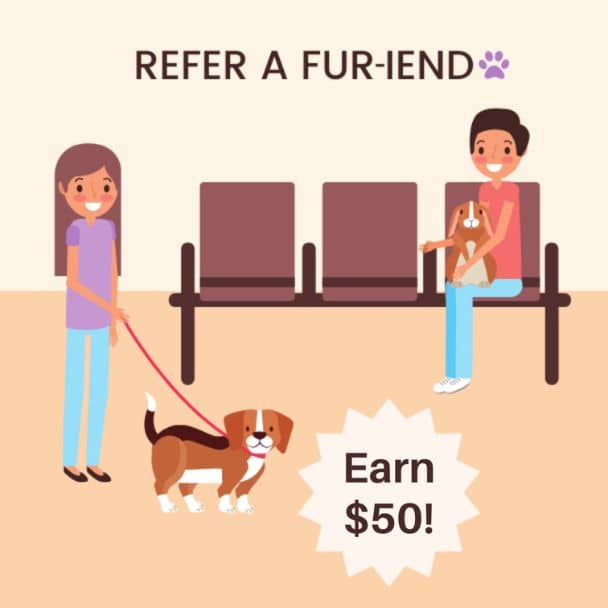

Check Out Our Latest Specials!
We love giving back to our clients! Visit our Specials page to see our latest offers on pet wellness services, vaccinations, grooming, and more. Don’t miss out on exclusive savings—because your pet’s health and happiness are our top priority!
Awards & Accolades
South Shreveport Animal Hospital is honored to be recognized for excellence in veterinary care and services. We have proudly received:

Best of SB Awards: Best Boarding & Veterinarian

Best of 318 Awards: Best Veterinary Practice & Pet Services
Meet Our Veterinary Team
At South Shreveport Animal Hospital, our veterinary team is dedicated to providing exceptional care for your pets. With extensive experience and a passion for animal health, each team member is committed to creating a compassionate and welcoming environment.
Our team focuses on building strong relationships with pets and their families, offering personalized attention to ensure your pet’s well-being throughout every stage of life. We take pride in our dedication to delivering the highest level of care, always striving to make your pet’s experience as comfortable and positive as possible.


Current Specials
Enjoy our exclusive offerings and get exceptional care for less. South Shreveport Animal Hospital is committed to providing high-quality veterinarian care to your pets, assuring the finest possible treatment.
Thank you for making us one of the highest-rated veterinary hospitals in Shreveport, LA
Your trust and support have been invaluable to us, and we want to express how much we appreciate it. We are committed to providing you and your pets with the highest care level, ensuring they receive the best veterinary services available.